Why Cravings Hit Fast and Hard
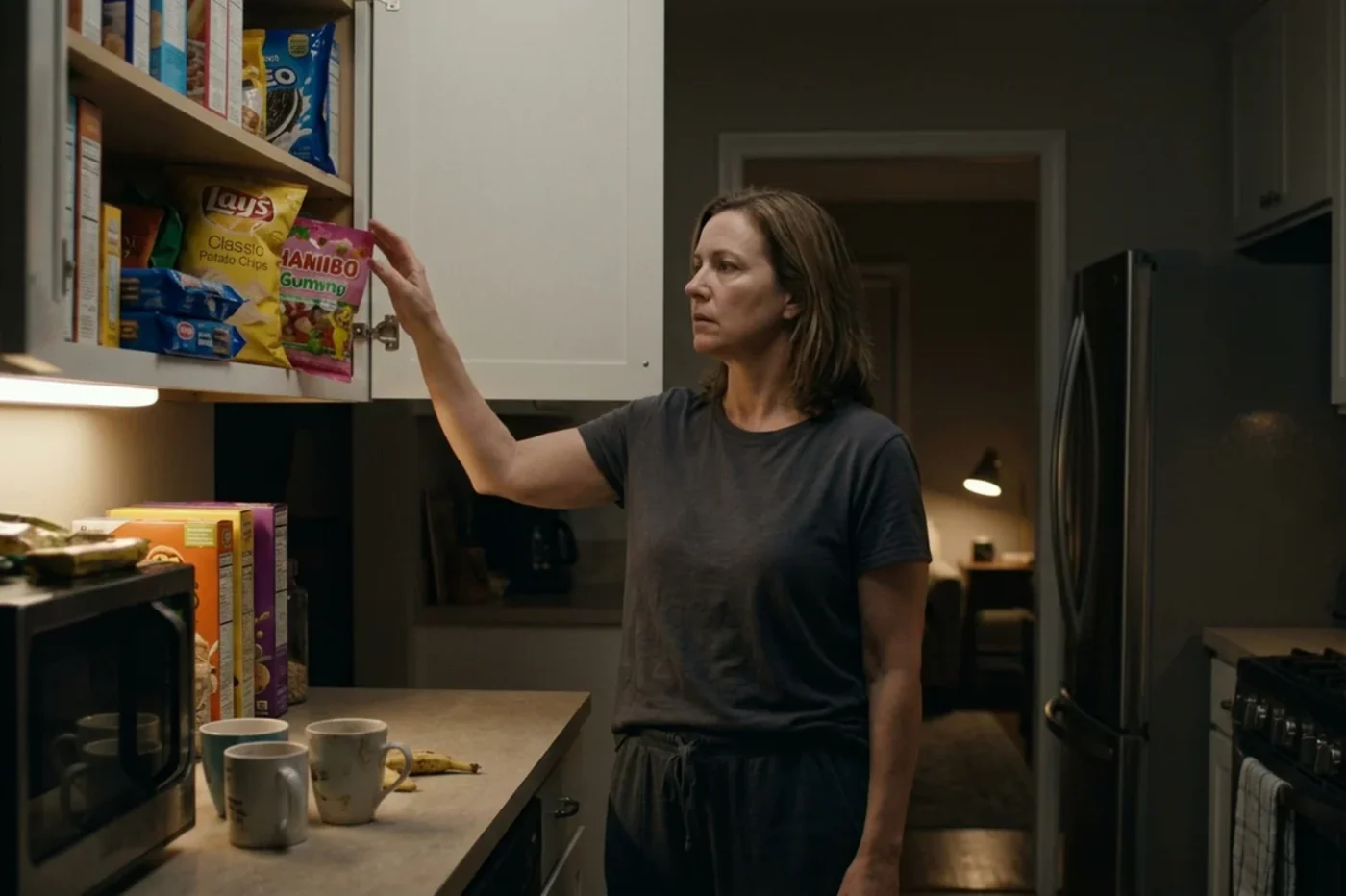
Dr. Now calls this out directly because most emotional eating begins with misidentifying the signal. Emotional cravings do not build gradually. They hit quickly, often tied to stress, boredom, or routine. The brain is not asking for fuel, it is looking for relief. That urgency creates the feeling that you need to act immediately.
That's the moment where control is usually lost.

What Happens When You Don't Respond Immediately
The initial surge behind a craving is temporary.
When you respond right away, you reinforce the pattern: emotion leads to eating. Over time, this becomes automatic. The brain learns that discomfort is solved with food. But when you delay, something different happens.
The stress response begins to settle. The intensity drops. What felt urgent becomes manageable. The body moves out of a reactive state and back into a controlled one.
Why 10 Minutes Is Enough to Change the Outcome
The work here is simple, but it matters.
Ten minutes creates space between impulse and action. That space allows the initial chemical surge to pass. It gives your body time to reset and your mind time to catch up.
During that pause, small actions, hydration, movement, stepping away, help reduce the intensity further.
By the end of that delay, most cravings are no longer as strong as they first felt.

Why This Rewires the Habit Over Time
Each time you delay instead of react, you weaken the automatic connection between emotion and eating.
The brain begins to learn a new pattern. The urgency loses its power. The response becomes intentional instead of reactive.
Over time, cravings become less frequent and easier to manage, not because they disappear, but because they no longer control your behavior.
Your response is what makes them permanent.