Why Everything Starts With Misidentification
Dr. Now uses this line to call out one of the most common problems, misreading reality.
When every urge to eat is labeled as hunger, the response becomes automatic. But the body does not send vague signals. Hunger and cravings feel different, behave differently, and require different responses.
Understanding that difference is essential.

What Real Hunger Actually Feels Like
Hunger develops slowly. It is not urgent or specific. The body is asking for energy, not a particular food.
When you are truly hungry, simple, basic food satisfies the need. It feels steady and predictable.

How Cravings Behave Differently
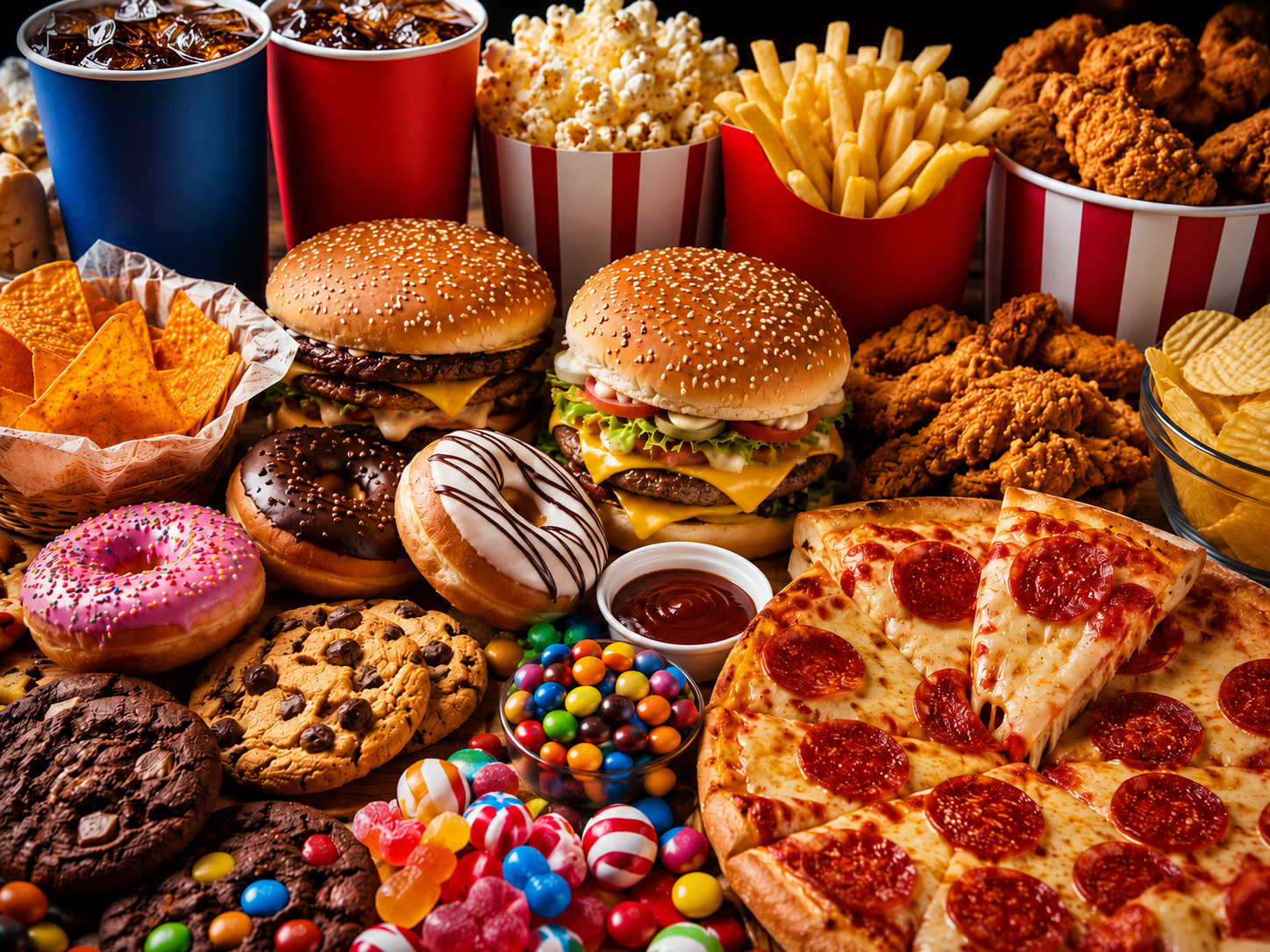
Cravings often feel like hunger, but they are not.
They appear suddenly, are tied to specific foods, and feel urgent even when you have eaten recently. They are driven by emotion, environment, or habit.
This is not a physical need. It is a conditioned response.
Why Recognizing the Difference Changes Your Response
When you correctly identify the signal, you create a pause.
That distinction is what allows control to replace impulse.

How This Builds Long-Term Control
As awareness improves, patterns become clearer.
You begin to recognize when cravings show up, what triggers them, and how long they last. This reduces unnecessary eating and strengthens your ability to respond consistently.
What once felt automatic becomes intentional.
Know the difference, and respond with control.